
Australia’s rail sector is entering its most active procurement cycle in years. Major programs across multiple states are hitting critical milestones simultaneously, creating a density of opportunity that manufacturers, contractors, and service providers have not seen in some time.
This article breaks down where the key programs sit, which tools can give your business visibility into the pipeline, and why early engagement in this financial year is not just advisable but essential.
A Convergence of Major Programs
What makes 2026 distinct is not any single project. It is the convergence of several large-scale rail programs reaching procurement and construction phases at the same time. This is creating competitive pressure on supply chains, workforce availability, and tendering capacity across the sector.
Key programs driving this momentum include:
- Sydney Metro Extension. One of the largest public transport infrastructure projects in Australian history, now progressing through major procurement milestones with significant demand for rolling stock, signalling systems, station fit-out, and tunnelling support services.
- Inland Rails, Victoria Works. The Melbourne to Brisbane freight corridor continues to advance, with the Victorian section presenting opportunities across civil construction, earthworks, track laying, and signalling. This program carries long-term implications for freight logistics and regional supply chain development.
- Southeast Queensland Rail Projects. With Brisbane 2032 acting as a catalyst, multiple rail investments across the region are accelerating. These programs span new rail lines, station upgrades, and fleet procurement, each generating distinct contracting and supply opportunities.
These are not future prospects. They are live programs with active or imminent procurement activity, and the businesses positioned closest to them will have the clearest advantage.
Rolling Stock: A Sector-Wide Demand Surge
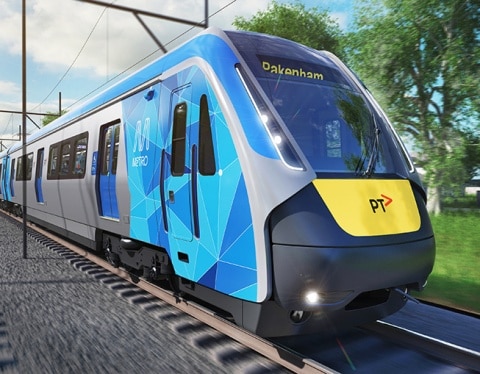
The Australasian Railway Association reports that upwards of 15 new rolling stock procurements are currently in active planning or delivery stages. These projects include urban heavy rail carriages, regional passenger vehicles, and metro fleets.
For manufacturers and component suppliers, this level of concurrent demand is significant. It creates opportunities not only in final assembly and vehicle integration, but across the full supply chain including bogies, traction systems, interior fit-out, communications and control systems, and through-life maintenance and sustainment.
The scale of this pipeline also raises important questions around local content, workforce readiness, and production capacity that businesses should be addressing now rather than at the point of tender response.
Visibility Tools: Using ANZIP to Stay Ahead
One of the most practical advantages available to industry right now is the Australian and New Zealand Infrastructure Pipeline (ANZIP). This tool provides visibility into planned and committed infrastructure investments across both countries, helping businesses track upcoming projects, identify tendering windows, and plan their pursuit strategies with greater precision.
For rail-focused businesses, ANZIP is particularly valuable for:
- Identifying projects early. Understanding which programs are moving from planning into procurement before formal approaches to market are released.
- Mapping tendering timelines. Aligning internal bid preparation, teaming arrangements, and resource allocation against confirmed or anticipated release dates.
- Spotting adjacencies. Recognising where your existing capabilities may apply to programs you had not previously considered, particularly across state boundaries.
Businesses that treat these pipeline tools as a core part of their business development process, rather than a periodic reference, will consistently be better positioned when opportunities emerge.
Peak Activity Demands Early Engagement
Rail construction activity is expected to peak this financial year. That is not a forecast for the medium term. It is the operating environment right now.
For contractors and suppliers, this means the preparation window for major upcoming tenders is narrowing. Waiting for formal release before mobilising a bid team, securing subcontractor commitments, or developing a local content strategy puts you at a structural disadvantage against competitors who started earlier.
Early engagement in this context means:
- Understanding the procurement model. Whether a project is using alliance contracting, design and construct, or a staged panel arrangement will shape how you engage and who you partner with.
- Building relationships with tier one contractors. For SMEs and specialist suppliers, getting on the radar of lead contractors early is often the difference between being part of a winning bid and watching from the sidelines.
- Investing in pre-qualification. Many rail programs require specific accreditations, safety certifications, or quality management systems. Starting that process now avoids being locked out of opportunities later.
Securing Your Place in Australia’s Next Year of Rail Infrastructure
The pipeline is deep, the procurement activity is real, and the construction cycle is peaking. For suppliers, manufacturers, and contractors across the rail sector, 2026 presents a concentrated window of opportunity that will reward businesses who are prepared and penalise those who are not.
The businesses that leverage the available pipeline tools, align with government priorities, and engage early will be the ones that secure meaningful, sustained roles in Australia’s rail future.
Ready to take the next step? Explore our Pre-Contract Services to see how we help clients build winning positions before tenders are released. Or get in touch with our team to discuss how we can support your next rail opportunity.