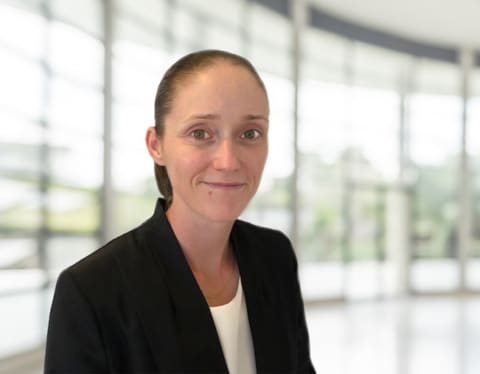

“When we lift up our people, we lift up performance.”
In the evolving world of proposals and bid management, mentoring has become more than a professional courtesy – it is an essential tool for building capability, strengthening organisational culture, and shaping future leaders.
The recent APMP ANZ conference held in Melbourne was designed to shine a light on the proposal profession and provide a forum for professional development in the specialised field of bid and proposal management.
Ahead of the conference, we spoke to Liana to discuss the newly reinvigorated 2026 mentoring program and what it means for emerging professionals, organisations, and the proposal industry at large.
Systematiq: Liana, can you share what sparked your passion for launching this mentoring initiative?
Liana: Absolutely. Throughout my life and career, I’ve seen how the right guidance at the right moment can transform someone’s confidence, capability, and career direction. When APMP ANZ began looking to reinvigorate our mentoring program, I knew this was an opportunity to create something both intentional and accessible.
For 2026, we’ve designed the program so that mentors and mentees are paired thoughtfully. Each connection considers their goals, preferred style of engagement – whether one-to-one or in small groups – location, and focus areas, from technical skills to leadership and career progression. The program runs in three-month cycles, giving participants a clear window to set goals, engage in meaningful conversations, and measure real progress.
We’ve also introduced “speed mentoring walk and talk” sessions, bookable via the APMP ANZ website. These informal meetups, often held in local parks, allow participants to tackle a specific challenge or question, gaining fresh perspective while building connections in a relaxed setting.
Systematiq: And in your view, why is mentoring so important in the modern workplace?
Liana: Workplaces are moving faster than ever before, sometimes faster than experience can be shared. During COVID, natural mentoring moments – the chats over coffee, the ad hoc problem-solving at your desk – simply didn’t happen for many early-career professionals.
Now, people step into new roles quickly, with higher expectations and less time for organic learning. Mentoring creates a deliberate space where knowledge and experience can be exchanged, and where thinking differently is encouraged.
Even dedicating an hour every fortnight or month to mentoring can create a significant shift in how someone approaches challenges, makes decisions, and drives their own growth.
Systematiq: How does mentoring strengthen organisations?
Liana: Strong organisations are built on strong people, and mentoring is one of the most effective ways to support that growth. Studies by Harvard Business Review, Deloitte, and Gallup have repeatedly demonstrated how mentoring develops capability, strengthens culture, and builds future leaders.
When done intentionally, mentoring provides a safe space for curiosity and honest conversations. Team members can ask questions openly, gain confidence, and learn from each other’s experiences. Over time, this strengthens retention, clarifies succession pathways, and fosters a culture where people invest in each other’s success.
Organisations that embed mentoring into their culture often become magnets for talent, as they visibly support professional growth and capability development.
Systematiq: What skills do emerging proposal professionals need most today?
Liana: The pace of change means emerging professionals need to be adaptable learners above all else. The fundamentals remain vital: clear writing, strategic thinking, managing deadlines, and understanding commercial drivers. But there is now an expectation to engage with adjacent skills – like data analysis, AI literacy, and project management discipline.
Success in proposals, however, is fundamentally human. Emotional intelligence, stakeholder management, and knowing when to apply soft skills are the elements that ultimately drive outcomes. The strongest professionals combine technical ability with curiosity, adaptability, and the confidence to lead responses when it matters most.
Systematiq: What advice would you give someone starting in proposals?
Liana: Stay curious, be dependable, and commit to learning faster than those around you. Proposals provide a unique vantage point across strategy, leadership, delivery, and client priorities. Every project is an opportunity to build capability and reputation.
Don’t try to navigate it alone. The APMP ANZ website is full of resources, from webinars to community events. Engage with the Mentoring Lead or Intentional Career Path Lead early. Connecting with professionals who have walked the path before you will accelerate your growth far more than experience alone.
Systematiq: What legacy would you like this program to leave?
Liana: My hope is for a program that outlives any single cohort – a mentoring model that is easy to engage with, sustainable, and valuable at every career stage. Regular cycles, practical guidance, and accessible formats help ensure that people return to the program as they grow, shifting naturally from mentee to mentor roles.
The “speed mentoring walk and talk” sessions are a critical part of that vision. They offer a relaxed, low-barrier entry into mentoring, giving participants a chance to test the waters, gain insight, and see mentoring as something natural, not intimidating.
If this program leaves behind a network where professionals know who to turn to, where experience is openly shared, and where mentoring becomes part of the profession’s DNA, that will be a meaningful legacy. It’s about creating a culture where growth has no expiry date, and where people actively lift others as they advance.
Systematiq: Finally, what message would you like the industry to hear?
Liana: The proposals profession is far more influential than it often receives credit for. It operates at the intersection of strategy, delivery, and growth, shaping the opportunities organisations pursue and how they position themselves to win.
My message is simple: invest in your people and make that investment visible. Carve out the time and space for mentoring, for learning, and for sharing experiences across levels. It’s an investment that pays dividends in capability, culture, and long-term success.
Through structured cycles, informal connections, and a clear commitment to professional growth, the APMP ANZ mentoring program is creating a future where proposal professionals are better equipped, better connected, and more confident than ever before.